Magazines for Young Readers
Below I provide a guide to children’s magazines that are high-quality and engaging, sorted by publisher-recommended ages. There’s something for everyone, from small magazines with sturdy pages for toddlers to magazines on specific subjects for teens.
Who doesn’t love receiving something colorful and engaging in the mailbox? Magazine subscriptions can be a wonderful way to regularly provide something new to a child. Families can choose to subscribe to magazines for fun, to support independent learning, or as part of adult-child interactions. If you choose to use a homeschool curriculum, magazines can supplement one you find or even help you create your own. No matter which way you consider them, magazines can offer a fresh, exciting way for children of all ages to explore new concepts and practice literacy skills.
Consider these potential benefits of magazines from subscriptions or your local library:
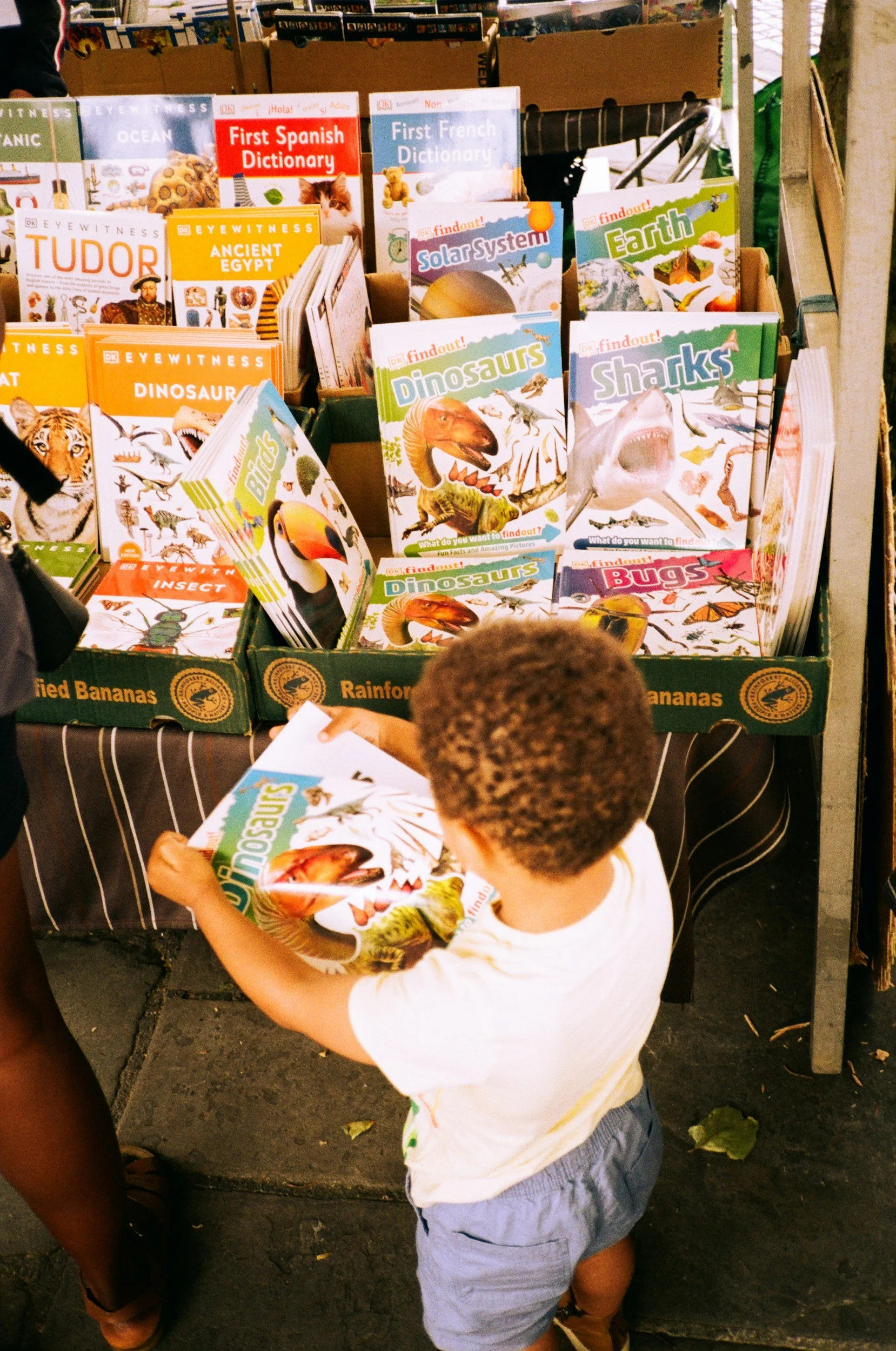
Encouraging Shared Connection and Read-Aloud Culture: Magazines offer a low-pressure alternative for shared reading time. Many of the publications for younger ages are specifically designed to be enjoyed alongside an adult, fostering listening skills, building early language, and strengthening the adult-child bond through calm, focused interaction (e.g., BABYBUG, Ladybug, Chirp, Highlights Hello).
Connections for extended family members: Grandparents, aunts, uncles and family friends who want to provide learning-friendly resources may use this list as a source of gift ideas for the children in their lives. Children who receive such a gift may be encouraged to have conversations about what they learn with their loved ones, especially if the magazine is about a shared interest.
Supporting multimodal learning: Homeschooling excels at tailoring education to the child, and magazines naturally cater to different needs. They can provide robust support for visual learners through rich diagrams, photography, and illustration-focused content (e.g. Illustoria and Zoobooks) and hands-on learning through activities, crafts, puzzles, and projects (e.g. LEGO Magazine and OWL Magazine).
Reinforcing screen-free learning: By their very nature, magazines provide a screen-free easily portable alternative to online content. They also provide an opportunity to discuss the role of an editor in selecting material, and a trusted source for your children to cite in their own writing or projects.
Supporting independent and interest-led exploration: Magazines are ideal for self-directed learning, allowing children to pursue topics they are genuinely curious about, such as science, animals, or history, at their own pace without needing textbooks or structured lessons (e.g., Ranger Rick Zoobooks, National Geographic Kids).
Strengthening foundational skills: Publications offer specific cognitive benefits through puzzles, brain games, and thoughtful articles that build skills like reasoning, persistence, critical thinking, and advanced vocabulary (e.g., brainPLAY, CRICKET Magazine).
Integrating subject-specific enrichment: Magazines can provide playful, accessible content for subjects like science (Ranger Rick Jr., OWL Magazine), history (Honest History), or languages other than English (High Five Bilingüe).
A low-stakes pathway to complex subjects: Magazines provide an accessible, inviting way to introduce potentially intimidating subjects like current events, advanced science, or history. The content is designed to encourage curiosity and critical thinking without the pressure of a curriculum or tests, making big ideas approachable for a wide age range (e.g., The Week Junior, OYLA, Honest History).
Magazine Guide
Highlights Hello
Magazine for Babies & Toddlers | Ages 0–2
Early learning for babies and toddlers grows through shared attention and calm exploration. Highlights Hello introduces these young ones to books using simple stories, real-life photos, and gentle activities that invite pointing, listening, and conversation. The experience builds early language and attention while helping little ones feel comfortable with books in a screen-free, connection-centered way.
BABYBUG®
First Stories & Early Reading for Babies & Toddlers
For babies and toddlers, reading is rooted in rhythm, repetition, and shared moments. BABYBUG offers short stories, poems, and bright illustrations designed for ages 6 months to 3 years. The gentle flow supports early language development while keeping reading calm, sensory-friendly, and enjoyable.
Ranger Rick Cub
First Animal Stories & Nature Discovery for Ages 0–4
Very young children are naturally drawn to animals, movement, and bright images. Ranger Rick Cub builds on that curiosity through simple words, photos, and gentle activities that support early attention and language development. Exploration happens through looking, pointing, listening, and talking together, keeping learning calm and connection-focused.
CoComelon by Highlights
Early Learning for Ages 1–4
Toddlers often stay engaged when reading feels familiar and predictable. Highlights CoComelon Mini supports ages 1–4 with short stories and simple activities built around well-known characters, helping early language, listening skills, and curiosity develop without pressure. The gentle pacing keeps reading approachable and reassuring during the preschool years.
Humpty Dumpty
Stories & Activities for ages 2-6
Humpty Dumpty is an award-winning children’s magazine designed for ages 2–6, featuring easy stories, poems, games, puzzles, and hands-on activities. It supports early learning, creativity, and healthy development through engaging, colorful content.
A great resource for homeschool families building early literacy, creativity, and foundational skills.
High Five
Stories, Crafts & Puzzles for ages 2-6
Preschool curiosity thrives through play! High Five brings together stories, visual activities, puzzles, and creative prompts that encourage children ages 2–6 to explore ideas freely. Learning doesn't require instruction. Early reading and thinking skills grow naturally as kids notice details, ask questions, and engage through hands-on discovery.
National Geographic Little Kids
Nature magazine for ages 3–5
Bright photos and short, friendly explanations make National Geographic Little Kids especially approachable for preschool learners. Each issue introduces animals, science, and nature through pieces designed to match early attention spans and natural curiosity.
The format encourages questions, conversation, and exploration while keeping learning light, visual, and screen-free.
High Five Bilingüe
English & Spanish Learning for Ages 3–5
Early language exposure feels natural when it’s woven into stories and play. High Five Bilingüe by Highlights presents Spanish and English side-by-side through poems, puzzles, and activities for ages 3–5, helping children notice patterns, build vocabulary, and grow confidence without drills or memorization.
Chirp
Stories, Crafts & Puzzles for Ages 3–6
Early learning flourishes through imagination and shared experiences. Chirp offers short stories, bright illustrations, crafts, and gentle puzzles designed for children ages 3–6 to enjoy alongside an adult.
The playful mix supports listening, participation, and early literacy while keeping reading joyful, relaxed, and developmentally appropriate.
LADYBUG®
Early Reading for ages 3–6
Preschoolers respond deeply to language that feels rhythmic, imaginative, and meant to be shared. Ladybug by Cricket Media offers beautifully illustrated stories, poems, and gentle nonfiction that support early literacy and listening skills through meaningful read-aloud experiences.
The content encourages imagination and vocabulary growth while keeping learning calm and screen-free, making it a strong fit for literature-rich early homeschool environments.
Ranger Rick Zootles
Animal Learning & Visual Discovery for Ages 4–7
As curiosity grows, young children love noticing details and making simple connections. Zootles supports that stage with rich illustrations, colorful photos, and animal-focused features that are easy to explore without overwhelm.
The gentle layout encourages looking closely, talking about what’s seen, and building confidence through visual discovery and play-based learning.
Ranger Rick Jr.
Early Science & Nature Learning (Ages 4–7)
Young children often connect with nature through visuals and storytelling. Ranger Rick Jr. introduces animals and early science concepts using real photography, short stories, and hands-on activities designed for ages 4–7.
The format encourages observation and curiosity while keeping science playful, accessible, and grounded in the natural world.
Ranger Rick Dinosaurs
Real Dino Facts & Visual Learning for Ages 5+
Big questions naturally surface when kids become interested in dinosaurs—how they lived, what they looked like, and why they disappeared. Dinosaurs by Ranger Rick breaks these ideas down with labeled diagrams, illustrations, and clear explanations that go beyond memorizing names.
The focused approach supports fact-loving learners who enjoy science, storytelling, and exploring topics at their own pace.
LEGO® Magazine
Creative problem-solving activities for ages 5–9
The free LEGO® Magazine (ages 5–9) blends fun comics, puzzles, posters, and build ideas that strengthen reading habits, logic, and imagination. Kids also get inspired by real creations submitted by other LEGO fans, which encourages confidence and creativity.
A strong screen-free resource for homeschool enrichment.
Kazoo
Creative Learning, Art & Science for Curious Girls Ages 5-12
Creative thinking thrives when kids are given space to explore and experiment. Kazoo blends art projects, science experiments, puzzles, comics, and thoughtful stories designed to encourage curiosity and confidence—especially for girls.
The content invites independent exploration and imaginative play, supporting learning through creativity rather than structured lessons.
Chickadee
Adventures, Puzzles & Science for Ages 6–9
Chickadee combines humor, stories, animal features, science facts, crafts, and puzzles that invite kids ages 6–9 to explore ideas while building reading confidence.
Growing readers benefit from content that balances fun and discovery. The hands-on elements keep learning active, appealing to curious kids who enjoy laughing, experimenting, and figuring things out.
SPIDER®
Stories, Science & Creative Thinking for Kids ages 6-9
Spider blends stories, poems, science topics, and creative activities that help kids build confidence while exploring ideas on their own. Kids in the stage between learning to read and reading independently benefit from content that feels engaging without pressure.
The mix of imagination and nonfiction supports growing readers who enjoy discovering new topics while strengthening comprehension and curiosity.
Jack and Jill
Creative Learning & Real-World Topics for Ages 6-12
Real-world topics often spark deeper curiosity than fiction alone. Jack and Jill introduces current events, science, culture, and problem-solving through stories, puzzles, games, and hands-on activities designed for ages 6–12.
The variety encourages exploration and creative thinking while keeping learning flexible and approachable.
Highlights
Stories, Puzzles & Activities for Ages 6–12
Curiosity drives learning! Highlights Magazine offers stories, puzzles, brain games, crafts, and creative challenges that encourage independent thinking and problem-solving for ages 6–12. The open-ended approach supports learning that feels exploratory rather than assigned.
National Geographic Kids
Science, Animals & Exploration for Curious Kids Ages 6–12
Wild animals, extreme places, science discoveries, and real photography pull kids straight into learning with National Geographic Kids. Designed for ages 6–12, each issue blends nonfiction articles, facts, jokes, and visuals that spark curiosity and build real-world knowledge.
Often used for science units, independent reading, or interest-led learning days, it works well for homeschool families who want engaging content without screens or textbooks.
Honest History
Real Stories & Engaging History for ages 6-12
History feels more engaging when it’s told through real stories and relatable moments. Honest History explores people, events, and ideas using humor, visuals, and narrative to make the past feel accessible without oversimplifying it.
The storytelling approach works well for learners who prefer conversation, comics, and context over textbooks.
Illustoria Magazine
Visual Storytelling & Creative Art for for creative kids ages 6-12 & their grownups
Some children connect most deeply with stories told through images. Illustoria centers storytelling through illustration, inviting kids to explore ideas, emotions, and narratives visually instead of relying on heavy text.
Artwork from illustrators around the world makes it especially appealing for creative kids and visual learners who enjoy slowing down and observing details.
Ranger Rick Zoobooks
In-Depth Animal Learning for Curious Kids - ages 7+
Some learners prefer diving deep into one subject at a time. Zoobooks focuses each issue on a single animal, using detailed photos, diagrams, and explanations to show how animals live, adapt, and survive.
This approach supports visual learners and interest-led exploration, especially for children who enjoy rereading and building knowledge through focused study.
brainPLAY
Puzzle Fun & Brain Games for Kids Ages 7+
Problem-solving skills grow through challenge and focus. BrainPlay centers on hidden pictures, logic games, and visual puzzles that strengthen reasoning, persistence, and attention. Kids who enjoy thinking challenges often return to these activities again and again without needing screens or worksheets.
OYLA JUNIOR
Fun Science, Nature & Exploration (Ages 8–11)
Curiosity often starts with bold visuals and clear explanations. OYLA Junior for ages 8–11 explores science, space, nature, inventions, and basic physics through colorful layouts, simple explanations, and interactive activities that help kids grasp big ideas without overwhelm.
The approachable format encourages observation, experimentation, and question-asking, making science feel inviting rather than intimidating.
The Week Junior
Kid-Friendly News & Current Events for Ages 8–14
As kids become more aware of the world, clear and thoughtful news coverage helps them make sense of it. The Week Junior explains current events and global stories in an age-appropriate way that encourages understanding rather than overwhelm.
The writing supports discussion, independent reading, and critical thinking while helping kids form their own perspectives.
OWL Magazine
Science, Tech & Big Ideas for Preteens 9-13
Preteens are ready for information that treats them like thinkers. OWL blends science, technology, interviews, and current topics with building projects, puzzles, quizzes, and comics that invite exploration beyond the page.
The mix supports independent thinking and curiosity, offering meaningful content without relying on screens or simplified explanations.
CRICKET®
Stories, Science & Imagination for Curious Readers ages 9-14
Strong language, thoughtful storytelling, and meaningful ideas define Cricket, a literary magazine created for ages 9–14. Each issue weaves together fiction, poetry, history, science, and culture in a way that invites deep reading and reflection.
It supports homeschool families who value rich vocabulary, strong writing models, and curiosity-led learning without relying on textbooks or worksheets.
OYLA Magazine
Advanced Science, Philosophy & Big Ideas (Ages 12+)
As thinking matures, learners often want depth instead of quick answers. OYLA for teens dives into science, philosophy, history, and critical thinking through thoughtful, article-based content that encourages reflection and discussion.
The journal-style approach supports independent reading and big-picture thinking, offering intellectually rich material that respects teens’ growing curiosity and attention.
Final words
It is a joy to be able to support children’s natural curiosity and to share the joy of learning with them. Magazines were part of my own family’s homeschooling journey, and I hope you consider whether they would be helpful in yours. If you’re curious about the above magazines but want to learn more, you may find some of them through your local library or bookstore, or see sample issues on the provided websites. Happy reading!
© 2026 Evard Educational Consulting. All rights reserved.
Michele Evard is a veteran homeschooling parent and an independent educational consultant who specializes in working with homeschoolers. You can find more homeschooling ideas, get a free chapter of her book, and learn about her services at Evard Educational Consulting (www.evardconsulting.com).